Izakaya, Snack Bar, or Lounge? Where to Drink in Roppongi
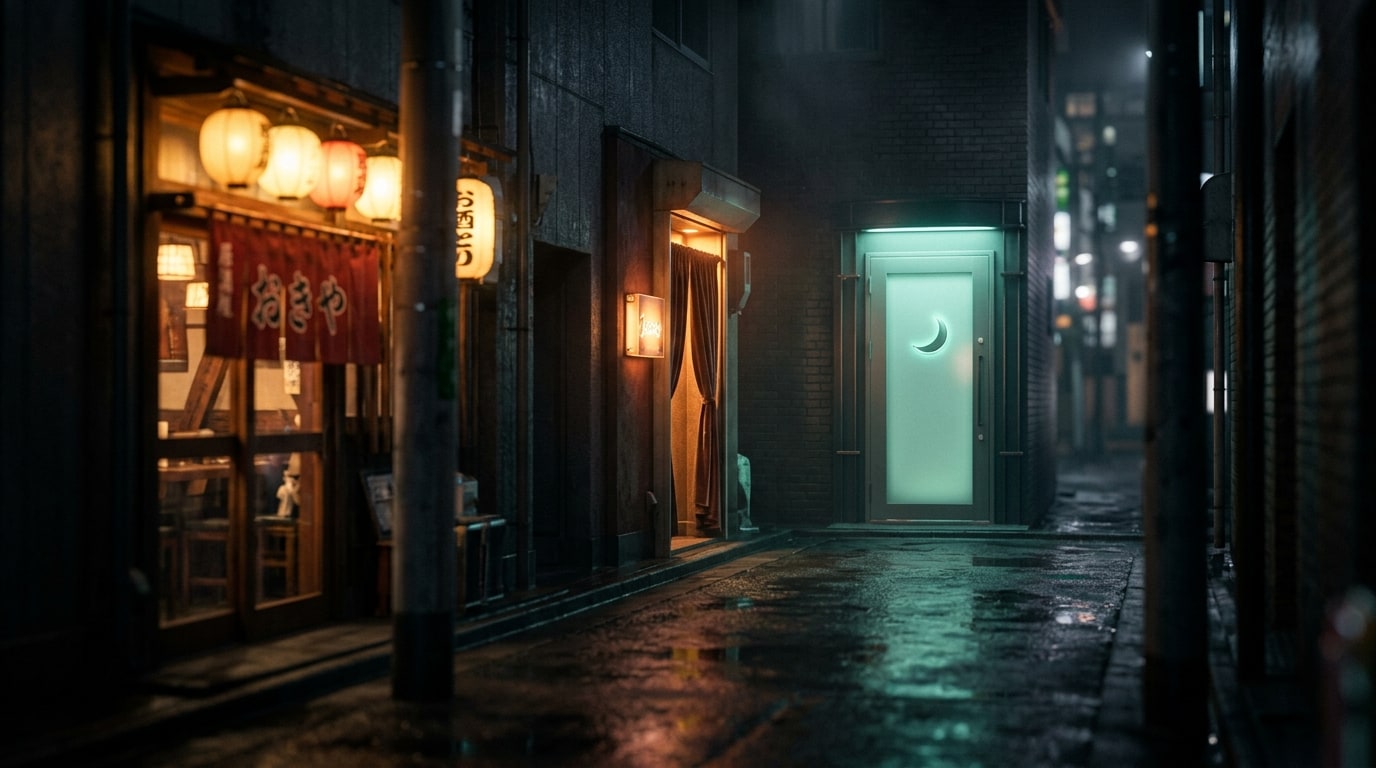
You’re standing on a Roppongi side street at 9 p.m. with three glowing signs in front of you — an izakaya, a “snack,” and a private lounge — and no idea which door is the right one. Here’s the honest breakdown, including the nights you should skip the lounge entirely. For the full taxonomy of every drinking spot you’ll encounter, see our overview of the types of bars in Japan.
- An izakaya (Japanese pub) is the right call for food, cheap drinks, and a group of friends — you pay for exactly what you order.
- A tachinomi (standing bar) is even more casual and cheaper, with no table service.
- A Japanese "snack" doesn't sell snacks — it's an intimate mama-run bar, charming for locals but opaque and language-barriered for visitors.
- A kyabakura is a high-energy hostess club with set charges, nomination fees, and a growing tab.
- A private lounge like LUNE is for privacy, conversation, included karaoke, and one published price — ¥19,000 for 60 minutes, all-inclusive.
Start local: izakaya and standing bars are genuinely great
If you want the real, unfiltered Tokyo drinking experience, start with an izakaya. It’s a Japanese pub — small plates, draft beer, highballs, sake, loud and friendly, no cover games. You order a bunch of dishes, share them, and pay for exactly what you had. For a first night in the city, a group of friends, or anyone who just wants good food and cheap drinks, an izakaya is the right answer, and Roppongi has plenty.
Want it even more casual? A tachinomi (standing bar) is cheaper still — you literally stand at the counter, drink fast, talk to whoever’s next to you, and move on. It’s the most local thing you can do, and it’s a fraction of the cost of anything with table service.
We’ll say the quiet part out loud: for a lot of nights, local drinking is the better call, and you don’t need us for it. If your evening is about ramen-and-beer with the people you came with, go to an izakaya. A private lounge is a different kind of night — and knowing the difference is exactly how you avoid overpaying for the wrong room. So when is it the right call? Keep reading.
The confusing ones: “snack,” girls bar, kyabakura
This is where foreign visitors get caught. A Japanese “snack” (スナック) is not a place that sells snacks — it’s a small, intimate bar run by a “mama” who chats with regulars, usually with a set seating charge and often a language barrier that’s tough without Japanese. Charming if you’re a local; opaque and awkward if you’re not.
A girls bar is a casual bar where female staff serve and chat from behind the counter. A kyabakura (キャバクラ) is the high-energy hostess club — sit-down companionship, but with set charges, nomination (指名) fees, host-drink markups, and a tab that grows the longer you stay. None of these are scams, but all of them share one problem for a visitor: you often can’t see the full price, or communicate comfortably, until you’re already seated.
That’s the gap a transparent lounge fills. LUNE is not a kyabakura — there’s no set-plus-extension math, no pressure to nominate, and the price is one published number before you sit down.
When a private lounge is the better night
Choose a lounge over local drinking when the evening is about privacy, conversation, and not being rushed — a relaxed celebration, a couple who wants a room to themselves, a small group who’d rather sing than shout over an izakaya counter, or a traveler who simply doesn’t want to gamble on a language barrier or a surprise bill.
Here’s concretely what that buys at LUNE: a private suite for one to six guests on the 6th or 7th floor of the Power House building at 7-12-3 Roppongi, with karaoke built in and 12 to 15 amateur (素人) hosts on rotation — friendly locals, real conversation, no scripted upselling. The price is ¥19,000 for 60 minutes, all-inclusive (drinks and karaoke included), stated up front. We host a maximum of three parties per night, so nothing is hurried, and there’s English and Chinese support so you never feel stranded. To confirm anything before you come, call +81-3-6434-7041.
A simple way to choose tonight
The decision is mostly about what the night is for. If it’s food, noise, and your own crew on a budget, go to an izakaya — or a tachinomi if you want it faster and cheaper. If you want a bar with local character and you speak some Japanese, a snack can be magic. If you want guaranteed companionship in a high-energy room and don’t mind a variable tab, that’s a kyabakura. And if you want a private room, included karaoke, easy bilingual conversation, and a single price you can see before you order, that’s a lounge — that’s the night LUNE was built for. Pick the room that matches the evening, and Roppongi rarely disappoints.
FAQ
What is an izakaya?
An izakaya is a casual Japanese pub serving small shareable dishes alongside beer, sake, highballs and shochu. You order multiple plates over the night and pay for what you consumed. It’s informal, food-focused and budget-friendly — the most popular everyday way to drink and eat in Japan.
What is a “snack bar” in Japan?
A Japanese “snack” (スナック) is a small, intimate bar run by a host or “mama” who chats with guests, usually with a fixed seating charge. Despite the name it isn’t about snacks. It’s cozy for regulars but often has a language barrier and unclear pricing for foreign visitors.
Where should foreign visitors drink in Roppongi?
For food and casual fun, an izakaya or standing bar is ideal and budget-friendly. For a private, unhurried night with karaoke and easy English or Chinese conversation, a lounge like LUNE fits better. Avoid following street touts to any unlabeled bar.
Is a lounge more expensive than an izakaya?
Per head, yes — an izakaya might run ¥3,000–5,000 a person, while LUNE is ¥19,000 for 60 minutes, all-inclusive. But you’re paying for different things: a private suite, included drinks and karaoke, hosts, and a fixed, transparent price with no surprise charges at the end.
Can I go to a Japanese lounge without speaking Japanese?
At most traditional venues it’s difficult. LUNE is built for foreign visitors — there’s English and Chinese support throughout, the pricing is published in advance, and the hosts are used to guests who don’t speak Japanese, so the language barrier simply isn’t a factor.
Ready to visit LUNE?
When the night calls for a private room over a crowded counter, we’ll have a suite ready. Reserve your evening at LUNE.