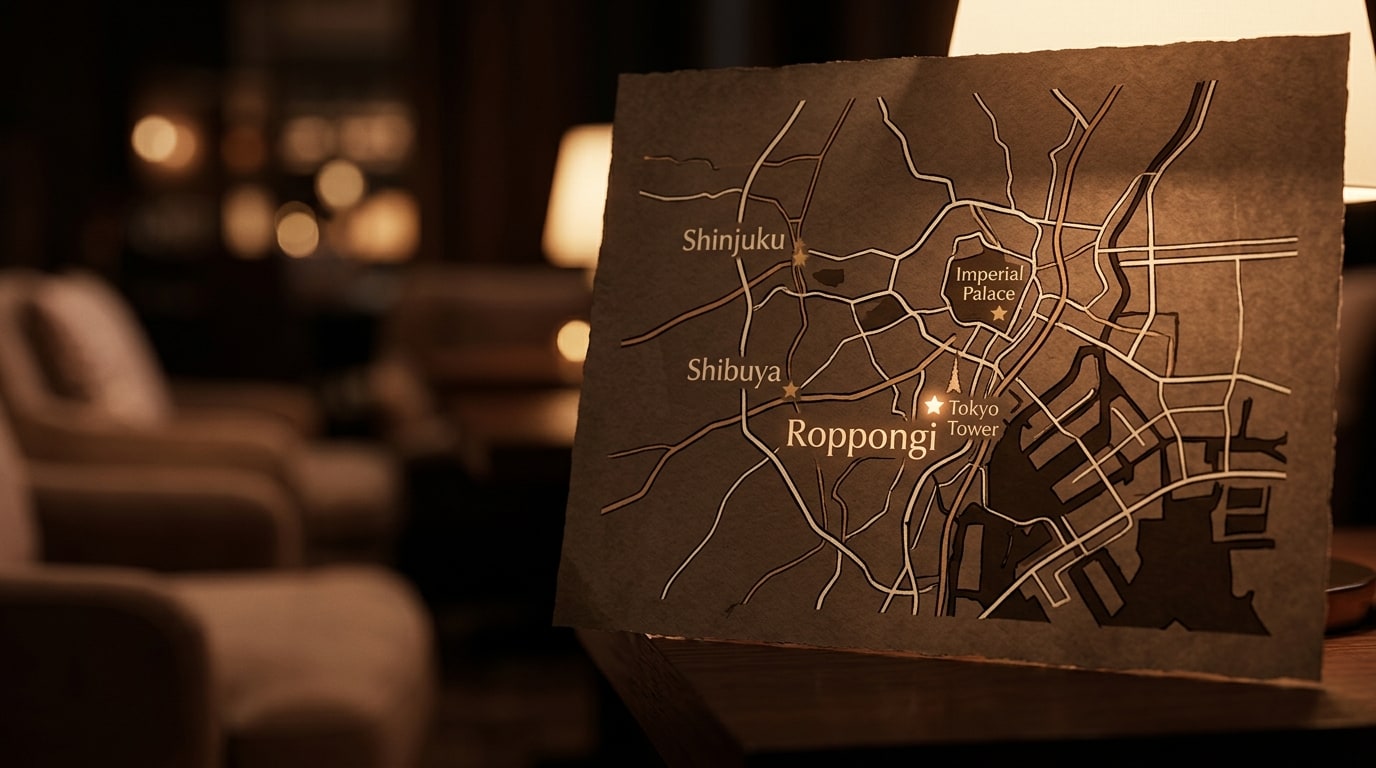
Roppongi vs Shinjuku vs Shibuya for Tokyo Nightlife
Tokyo doesn’t have one nightlife scene — it has at least three, each with its own crowd, vibe and rules. If you’re visiting Japan as a foreigner, picking the right district matters more than picking the right venue.
Here’s the honest field guide to Roppongi, Shinjuku and Shibuya after dark — when each one is the right call, and when it’s the wrong one.
- Shinjuku is dense, foreigner-friendly, and chaotic — Kabukichō, Golden Gai and Omoide Yokochō all within a few minutes' walk.
- Shibuya skews young — twenty-something dance-floor energy and cheaper drinks dominate the scene.
- Roppongi is the international, adult-leaning district — calmer streets, more English-friendly venues, reservation culture is normal.
- Transparent published pricing is most common in Roppongi; Shinjuku and Shibuya have more walk-in venues that don't publish rates.
- Choose by the kind of night you're planning, not by what's closest to your hotel.
Shinjuku — loud, dense, foreigner-friendly but chaotic
Shinjuku is what most foreigners think of when they imagine Tokyo nightlife. Kabukicho, the entertainment district just north of the station, is the densest concentration of bars, kyabakura, oppai bars, host clubs, and tourist traps in Japan.
It’s great for first-timers because everything is in walking distance and signage is often in English. It’s also where most of the horror stories happen — touts on the street pulling people into bars with hidden charges, ¥30,000 surprise bills, drinks that mysteriously cost ¥5,000 each.
Go to Shinjuku if: you want the loud, neon, sensory-overload Tokyo experience and you’re comfortable being assertive about prices.
Avoid Shinjuku if: you want a calm conversation, you don’t want to negotiate prices, or you’re dressed for something nicer and don’t want to spill drinks on your outfit.
Shibuya — young, cheap, mostly Japanese students
Shibuya is Tokyo’s youth district. Bars are cheaper, the crowd is in their early twenties, and the vibe is more “clubbing” than “nightlife.” You’ll find izakayas (Japanese pubs), dance clubs, casual bars, and almost no kyabakura or hostess venues. If you’re unsure which kind of room actually suits your night, our guide on whether to pick an izakaya, a snack bar, or a lounge breaks down where to drink for each mood.
Most foreigner-targeted nightlife venues skip Shibuya entirely because the local clientele isn’t there. If your goal is meeting Japanese hosts or going to a private suite, Shibuya isn’t built for it.
Go to Shibuya if: you want to dance, drink cheap, and blend into a young Tokyo crowd.
Avoid Shibuya if: you want anything resembling an “adult” or refined evening.
Roppongi — international, refined, adult
Roppongi sits in the middle of central Tokyo, and historically was the foreigner district — embassies, expat residences, and venues that catered to international guests. That foundation is still there, but Roppongi has matured. The aggressive touts of the 2000s are mostly gone, and the area now feels more like a quiet upscale district than an entertainment zone.
You’ll find: private lounges, premium izakayas, jazz bars, michelin restaurants, members’ clubs — and the city’s most international crowd. Most major hotels (Ritz-Carlton, Grand Hyatt, Tokyo American Club) are within a 5-minute taxi.
Go to Roppongi if: you want to actually talk, you don’t want a chaotic experience, you’re happy paying a fair price for quality, and you appreciate a calmer atmosphere.
Avoid Roppongi if: you want to walk in cheap and loud — Roppongi venues are mostly reservation-only and slightly more expensive on average.
Quick guide — which district for what
| What you want | Best district |
|---|---|
| First night in Tokyo, everything in walking distance | Shinjuku |
| Twenty-something energy, dance floor, cheap drinks | Shibuya |
| Quiet adult night, real conversation, private space | Roppongi |
| Transparent pricing, no hidden charges | Roppongi (most reservation-only venues) |
| Couples’ evening, private setting | Roppongi (private suites, per-person pricing) |
| Solo traveler, want to meet locals | Roppongi (adult crowd) or Shibuya (youth crowd) |
Where LUNE fits
LUNE is Roppongi-style — small, private, by reservation only. We’re a casual lounge with three private suites, 1–6 guests each,karaoke included, ¥18,000 per person for 60 minutes all-inclusive of house drinks. No cover charge, no surprise bills.
We’re not trying to compete with the loud Shinjuku scene or the youth-focused Shibuya scene. We’re for the night when you want a real conversation in a calm room, with friendly hosts who actually speak English, in the central district that’s easiest to reach from any major hotel.
Different districts, different experiences — pick the one that fits the night you’re planning.