Back to all posts
Foreigner Tips

First Time at a Japanese Lounge: What to Expect

April 29, 20266 min read

If you’ve never been to a Japanese lounge before, the unfamiliarity is the worst part. You don’t know how to enter, where to sit, what to order, when to pay, or what’s appropriate. Here’s the whole flow demystified, with the unwritten rules included.

Before you go

  • Reservations are usually required. Quality lounges in Roppongi don’t take walk-ins. Book by Telegram, email, phone, or a form on the venue’s website at least a few hours ahead.
  • Cash is still common, cards work too. Bring a credit card, but having ¥40,000 in cash for two people is sensible.
  • Dress code: practical-casual. A button-down or a clean sweater is plenty. Hoodies and shorts can feel out of place at premium venues but are fine at casual lounges. Sneakers are usually fine.
  • Bring ID. Japan is strict about age verification at adult venues — you may be asked.

Walking in

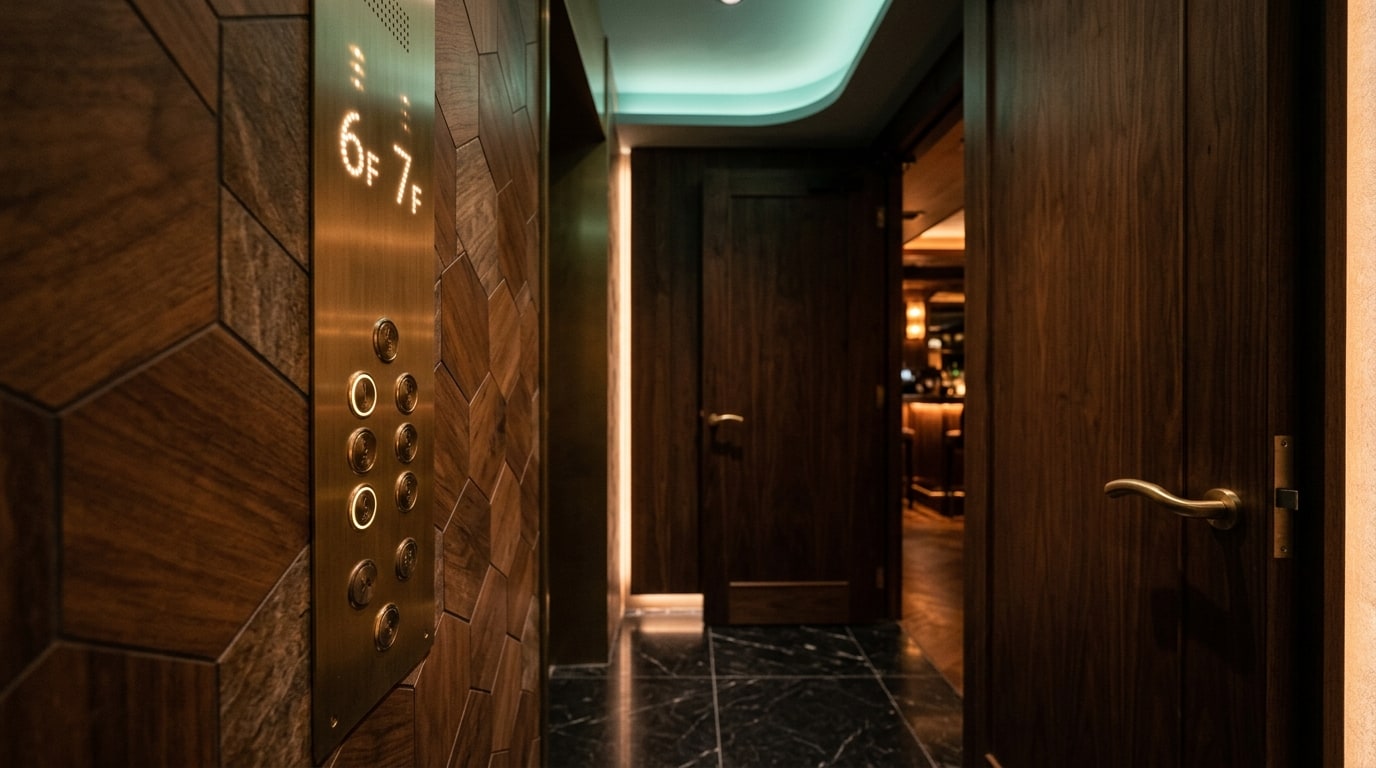
Most lounges are inside multi-tenant buildings, often on a higher floor. You’ll see a small sign by the entrance and a directory by the elevator. Take the elevator to the venue’s floor.

At the door, the staff will ask for your reservation name. They’ll guide you to your suite or table. You don’t pick where to sit — they assign you. This is normal, not a sign that you’re being judged.

Once you’re seated

At a lounge like LUNE, your suite is yours for the booked time — no one else will be seated with you. A host will arrive within a minute or two of you settling in.

Hosts rotate. At most lounges, including LUNE, hosts swap between tables every 15–20 minutes. This is by design — over an hour you’ll meet several hosts and naturally find someone you click with. If you want to keep one specific host with you the whole time, that’s called nomination (指名, “shimei”) — just tell the host or staff. There’s usually a small additional charge.

Drinks etiquette

  • House drinks are usually free during your booked time. Order whatever you want — beer, highball, cocktail, soft drink, water.
  • Cast drinks are extra. If you offer to buy your host a drink, that’s a separate charge per drink. The host will usually ask politely first; you can decline.
  • Bottles are extra. A premium whisky or champagne bottle is on a separate menu — anywhere from ¥10,000 to ¥100,000+ depending on the bottle.
  • Pour for others, not yourself. The polite Japanese custom is that you pour for your host, your host pours for you. Don’t fill your own glass.

Karaoke (if it’s included)

At lounges with private suites and karaoke (like LUNE), the microphone is just there for whenever you want it. You can sing solo, sing with the host, or just leave it on the table all night. Pick songs from the catalog using the tablet — most have English, Japanese, Mandarin, and Korean libraries.

The host will probably suggest songs for you, and may sing too. There’s no expectation that you’re a great singer — it’s casual.

The check

At the end of your booked time, staff will quietly let you know your time is wrapping up. You can extend if you’d like (usually in 60-minute blocks at the same hourly rate, subject to availability). When you’re ready to leave, you ask for the check.

Tipping isn’t a thing in Japan. Don’t leave cash on the table — it confuses staff and may even be returned to you. The price on the bill is final.

Card and cash are both fine. After paying, the host typically walks you to the elevator to say goodbye — that’s the formal ending.

The unwritten things foreigners get wrong

  • Don’t touch the host. This is a lounge, not a fuzoku venue. No physical contact, no kissing — even casually. Hosts will gently move away if needed; staff will intervene if it persists.
  • Don’t ask for personal contact info. Hosts can’t exchange personal LINE, Instagram, or phone numbers with guests — that’s usually against venue rules.
  • Don’t take photos of hosts. Phone-in-pocket is the norm.
  • Don’t arrive drunk. Sober enough to enjoy the conversation is the right level. Heavy intoxication is usually politely turned away at the door.
  • Don’t haggle the bill. If something on the bill surprises you, ask staff to walk you through it — but lounges with transparent pricing (like LUNE) won’t have surprises.

What makes a great visit

The guests who enjoy a Japanese lounge most are usually the ones who treat it as a calm social experience, not a transaction. Be friendly with the hosts, ask them about themselves, share a bit about why you’re in Tokyo, sing something you actually like. The hour goes fast.

At LUNE specifically, three private suites means the staff can take care of you properly — no rushing, no awkward queueing, no surprise charges, English-speaking team. ¥18,000 per person for 60 minutes, all-in. By reservation only.

The unfamiliarity disappears after about 10 minutes inside. Once you know the flow, it’s one of the most relaxed adult experiences Tokyo offers.